
proefles natuuronderwijs bestuderen - Proefles Natuuronderwijs Bestuderen - Dragon1 Schooltv


Bestuderen   Oefenen   Toetsen

Les Bacteriën: Wat en Hoe? - Bestuderen
Instructie

Lees de onderstaande informatie een aantal malen goed door en probeer de kernpunten goed te onthouden.

Klik op een hoofdstuk om de informatie te zien.

Tip: lees de informatie hardop voor (maar wel zo dat je anderen niet stoort).


1. Heel Klein

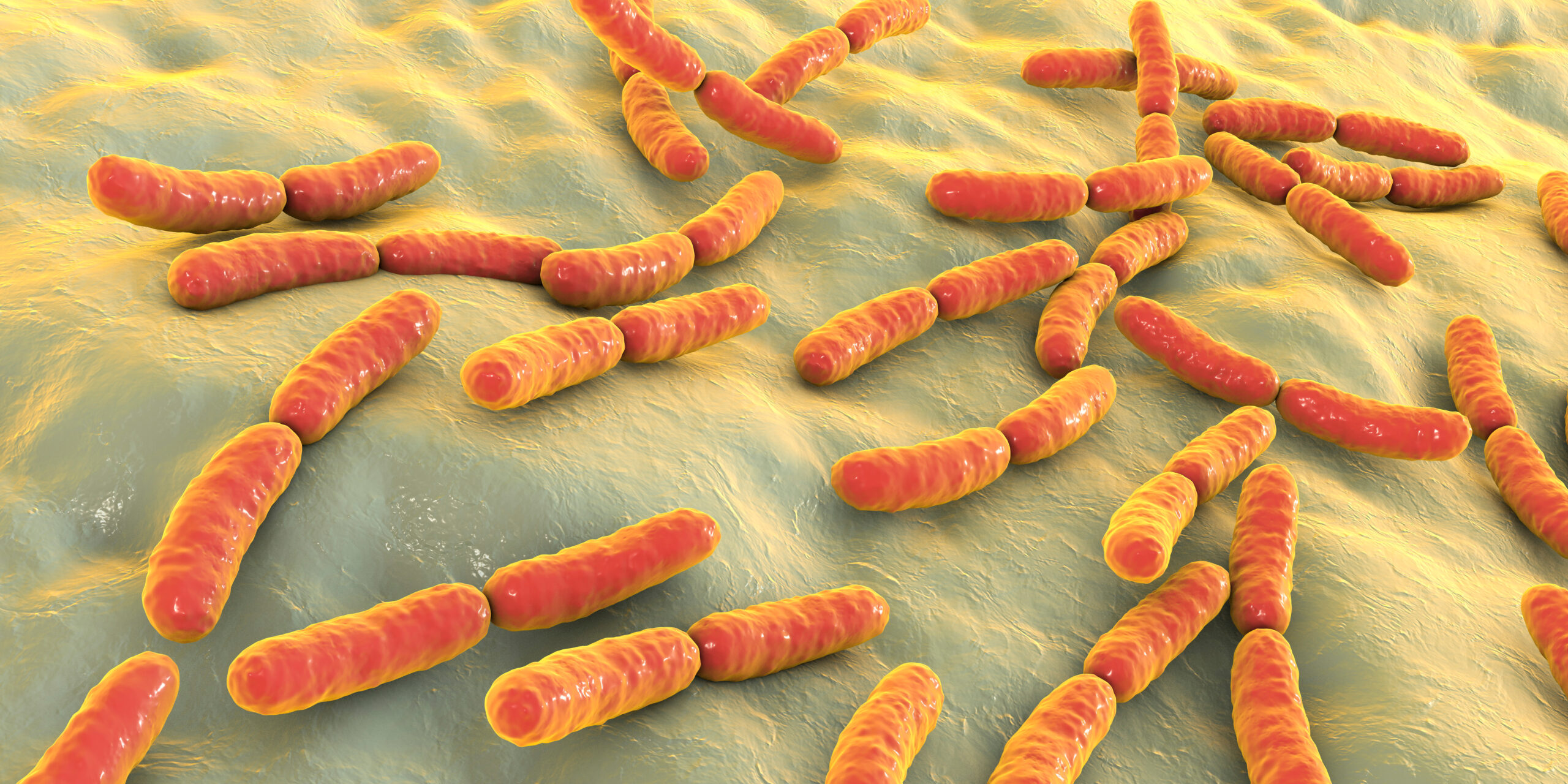
Bacteriën zijn hele, heel kleine organismen (levende wezens) van 0.00001 cm groot (1 tienduizendste centimeter). Ze bestaan maar uit één cel en je kunt ze alleen zien met een microscoop.


Makkelijk   Moeilijk   Onbegrijpelijk

2. Ziekten

Bacteriën kunnen allerlei ziekten veroorzaken. Ook besmettelijke ziekten zoals tuberculose, difterie, de pest en cholera.


Makkelijk   Moeilijk   Onbegrijpelijk

3. Beschermen

Je kunt je beschermen tegen bacteriën door je goed te wassen (vooral je handen) met zeep en desinfectiegel, zonlicht, inenten en geneesmiddelen die de bacteriën doodmaken (desinfecteren).

Gelukkig zijn de meeste bacteriën goede bacteriën. Wij hebben ze zelfs nodig om gezond te blijven.


Makkelijk   Moeilijk   Onbegrijpelijk

4. Vermenigvuldigen

Bacteriën vermenigvuldigen zich heel snel. Bijvoorbeeld door hete lucht op stilstaand water.

Uit één enkele bacterie kunnen binnen één dag 70 miljoen nieuwe bacteriën ontstaan.


Makkelijk   Moeilijk   Onbegrijpelijk

5. 30 seconden regel

Als je 30 seconden lang met zeep en warm water rustig en grondig je handen wast, kun je veel ziekteverwekkende bacteriën van je handen af krijgen.

Tot voor kort was het de 20 seconden regel. Maar 20 seconden blijkt in de praktijk onvoldoende effectief.

Zing in je hoofd een liedje dat 30 seconden duurt. Dat helpt om het lang genoeg te doen.


Makkelijk   Moeilijk   Onbegrijpelijk

Kernpunten

Kernpunten om goed te onthouden zijn:

  • Bacteriën zijn onzichtbaar klein
  • Bacteriën zijn organismen
  • Bacteriën kunnen je ziek maken
  • Bacteriën groeien heel snel
  • Bacteriën houden niet van zeep

Volgende stap

Wanneer je de bovenstaande informatie een paar keer hebt doorgenomen, ga dan de oefeningen maken die hierbij horen.

Oefenen

--Dragon1 SchoolTV--
Leer overal en altijd.
Dragon1 SchoolTV is de online digitale school die je kunt gebruiken, wanneer je maar wilt.
Gebruik de primaire digitalee school om te leren over: proefles natuuronderwijs bestuderen - Proefles Natuuronderwijs Bestuderen - Dragon1 Schooltv.
Leer over taal, rekenen, biologie, aardrijkskunde, natuurkunde,scheikunde, economie, psychologie, burgerschap en meer.

Primary School Wisdoms

These are the fundamental life lessons and pieces of advice that often get instilled in us during those formative years. They might seem simple, but they lay the groundwork for how we navigate the world.

Here are 7 key wisdoms often learned (or at least introduced) in primary school:

1 - Sharing is caring.This teaches the importance of generosity, cooperation, and considering the needs of others. It's a foundational concept for building positive relationships.

2 - Treat others how you want to be treated.This is the golden rule, emphasizing empathy, kindness, and respect in all interactions. It's about understanding that our actions have an impact on others.

3 - Be yourself.This fosters self-acceptance, individuality, and the understanding that everyone is unique and valuable in their own way. It discourages trying to fit in at the expense of one's own identity.

4 - Listen carefully when others are speaking.This develops active listening skills, shows respect, and aids in understanding. It's crucial for effective communication.

5 - Be kind to everyone. This extends beyond just treating others well; it emphasizes inclusivity, compassion, and understanding towards all individuals, regardless of their differences.

6 - It's important to ask for help when you need it.This encourages seeking support, recognizing limitations, and understanding that it's a sign of strength, not weakness.

7 - Everyone makes mistakes; it's okay to try again. This fosters resilience, encourages learning from errors, and reduces the fear of failure. It highlights the importance of perseverance.

These wisdoms are often conveyed through stories, classroom rules, teacher guidance, and interactions with peers. They form a moral and social compass that helps children navigate their early years and beyond. While we might refine or expand on these ideas as we grow, their core messages often stick with us throughout life.


Fun Animal Facts

Here are 7 fun animal facts perfect for primary school children:

1 - chameleon's tongue can be as long as its body: They can shoot it out very quickly to catch insects.

2 - A group of crows is called a murder: Isn't that a spooky name?

3 - Bees have five eyes: They have two big compound eyes on the sides of their heads and three smaller ocelli on top.

4 - starfish doesn't have blood or a brain: They have a nervous system but no central brain, and they use seawater instead of blood.

5 - Some frogs can freeze solid in winter and thaw out alive in spring: This amazing ability helps them survive cold temperatures.

6 - A lion's roar can be heard from as far as 5 miles away: That's louder than you might think!

7 - Kangaroos cannot walk backward: Their big tails and strong legs make it difficult.

These are just a few of the many amazing facts about animals! The animal kingdom is full of surprises.


Country Facts

Let's explore some fun facts about 7 different countries that you might find interesting!

1 - Russia: It's the largest country in the world by land area and is home to the colorful St. Basil's Cathedral in Moscow.

2 - Thailand: You can see beautiful temples and ride on elephants in some parts of Thailand. Their food is also very tasty!

3 - Australia: It's home to kangaroos and koalas, and some of its beaches have sand that squeaks when you walk on it!

4 - United Kingdom: It's home to the Queen and famous landmarks like Big Ben and the Tower of London.

5 - Madagascar: This island country is home to lemurs, funny-looking primates that are found nowhere else in the world.

6 - Sweden: This is where the Nobel Prizes are awarded each year, and it's known for its colorful wooden houses.

7 - Canada: It has more lakes than any other country, and it's where maple syrup, a yummy topping for pancakes, comes from!

We hope these snippets give you a fun glimpse into different countries around the world! Each one has its own unique and fascinating things to discover.